Player Retention Dynamics Evolve as Layered Incentives Combine with Mobile Wheel Systems in Regulated Gambling Sectors
Written by Leon Hansen · Oct 23, 2026
Player Retention Dynamics Evolve as Layered Incentives Combine with Mobile Wheel Systems in Regulated Gambling Sectors
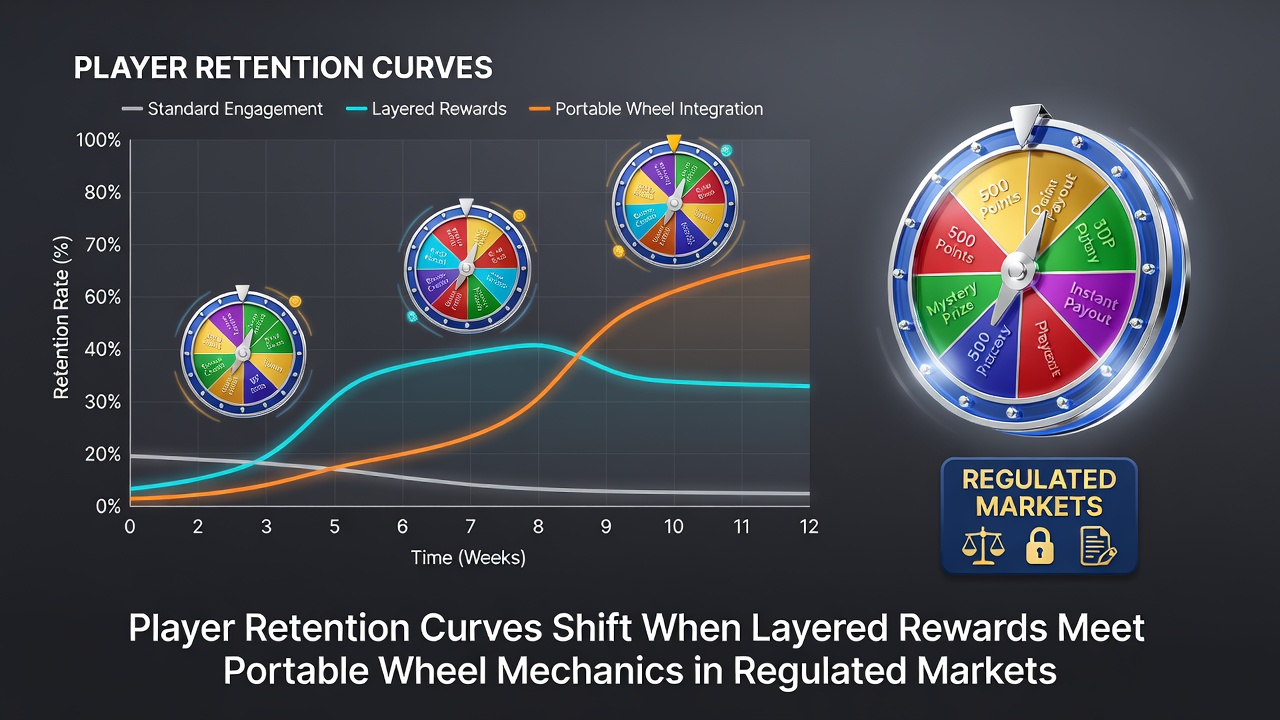
Regulated markets track player retention through curves that plot activity levels over time, and these patterns change when operators layer multiple reward structures onto portable wheel mechanics. Data from various jurisdictions shows retention metrics responding to combinations of progressive bonuses, daily login incentives, and mobile-optimized wheel games that let users spin from any location.
Retention Curves in Context
Operators measure retention by tracking how long players remain active after their first session, with curves typically declining sharply in the first week before stabilizing. Studies from the University of Nevada Reno's gaming research division indicate that standard curves flatten when additional reward layers activate at specific intervals, such as after 10 spins or upon reaching certain thresholds. Portable wheel mechanics contribute by allowing seamless transitions between sessions on smartphones and tablets, which alters the drop-off points compared to desktop-only formats.
Layered Rewards Structures
Layered rewards stack multiple incentive types, including welcome packages that unlock over several days, cashback percentages applied to net losses, and milestone bonuses tied to wheel spins. According to reports from the American Gaming Association, these systems extend average session lengths in controlled environments because players return to claim stacked benefits rather than abandoning accounts after initial play. The mechanics function through automated tracking that delivers rewards without manual intervention, and data shows participation rates rising when mobile access removes barriers to collection.
Portable Wheel Mechanics at Work
Portable wheel mechanics refer to roulette-style games and similar spinning features optimized for mobile devices, featuring touch controls, quick-load interfaces, and offline mode options in some regulated apps. These elements enable play during commutes or short breaks, which shifts retention curves by reducing the friction that causes early exits. Observers note that integration with device notifications prompts returns at optimal times, while adaptive difficulty settings in some titles maintain engagement across varied player skill levels. In October 2026 several North American operators introduced enhanced portable versions that sync progress across devices, a move that coincided with measurable upticks in weekly active users according to industry tracking services.
Interactions in Regulated Markets
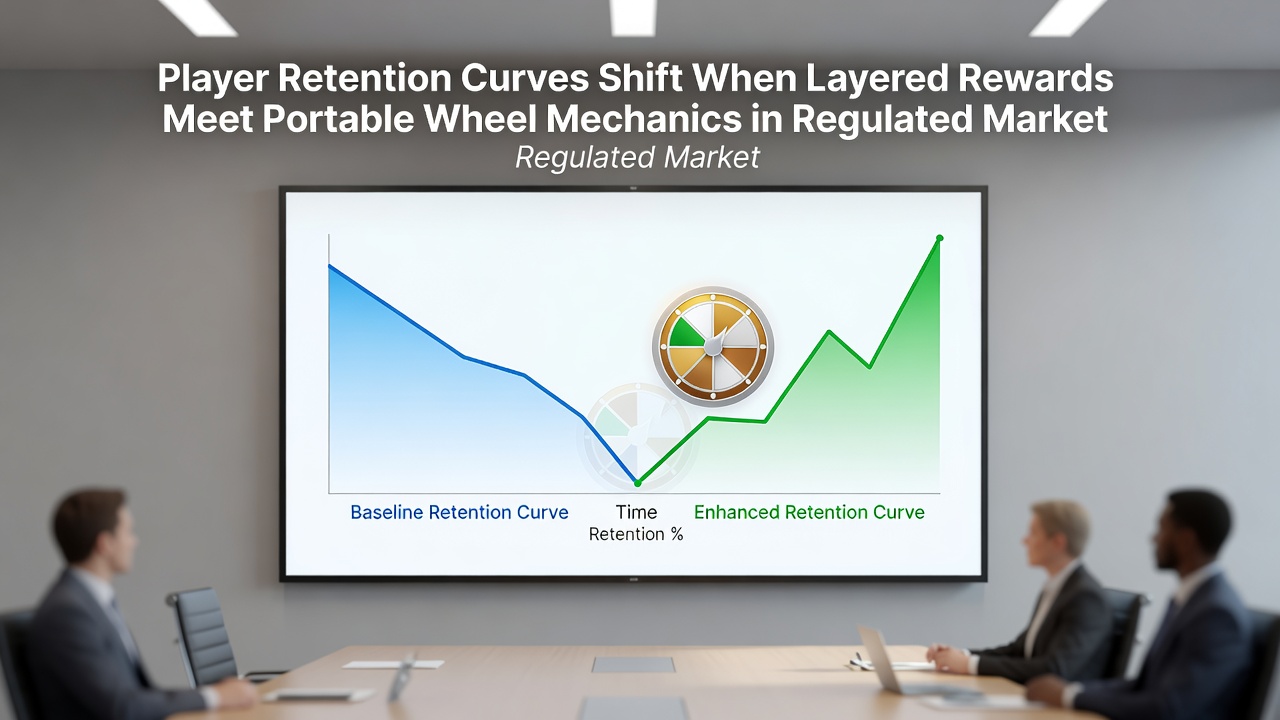
Regulated markets impose strict rules on reward delivery and game fairness, which shapes how layered incentives and portable wheels interact. Canadian provincial regulators, for instance, require transparent disclosure of bonus terms, and operators respond by embedding these details directly into mobile interfaces so players see upcoming rewards without leaving the wheel screen. This transparency correlates with steadier retention curves because users understand exactly when and how benefits apply. European operators outside the UK have reported similar patterns after adopting cross-device progress tracking that complies with local licensing standards, where portable mechanics help maintain activity during regulatory-mandated cooling periods by offering limited free spins tied to prior deposits.
Data Patterns Across Regions
Figures from the Australian Communications and Media Authority reveal that markets with strong mobile penetration see retention improvements when reward layers activate through wheel outcomes rather than separate menu navigation. One analysis found that players who received stacked rewards via mobile wheel spins showed 18 percent longer average lifetimes compared to those using traditional bonus claim processes. In the United States, state-level data from New Jersey's Division of Gaming Enforcement highlights how portable access reduces the weekend-only play patterns common in earlier desktop eras, spreading activity across weekdays and smoothing the typical mid-week dip in retention curves.
Implementation Examples
Take one operator in a Canadian province that introduced a portable wheel system paired with three-tier reward layering in early 2026. Retention data indicated the sharpest improvements occurred among players aged 25 to 34, a group previously prone to rapid drop-off after three sessions. The system delivered daily login bonuses automatically upon opening the app, followed by spin-specific multipliers and weekly cashback calculated on cumulative mobile activity. Another case from an Australian licensed platform showed that integrating wheel mechanics with progressive loyalty tiers led to higher return rates during the second and third weeks, periods where standard curves normally steepen downward.
Regulatory Considerations
Regulators focus on ensuring that layered rewards do not encourage excessive play while portable mechanics remain accessible only to verified adults. Compliance teams review notification frequency and reward visibility to prevent over-stimulation, and operators adjust parameters based on these guidelines. Data indicates that markets enforcing clear separation between reward triggers and game outcomes maintain stable retention without triggering additional oversight. Portable wheel designs often incorporate session timers and reality-check prompts that appear at intervals calibrated to local rules, which helps sustain long-term curves by balancing engagement with responsible play measures.
Conclusion
Retention curves shift measurably when layered rewards intersect with portable wheel mechanics because the combination reduces session friction and clarifies upcoming benefits across mobile interfaces. Evidence from multiple regulated jurisdictions demonstrates that these elements work together to extend player lifetimes, particularly when operators align reward delivery with device capabilities and maintain compliance with regional standards. As mobile access expands and reward systems grow more sophisticated, tracking these interactions provides operators and regulators with clearer pictures of activity patterns in controlled environments.